If your New Jersey home feels drafty every winter, you are not imagining it. Cold air sneaks in through gaps you cannot always see. It slips around windows, outlets, attic hatches, and the rim joist in the basement. The result is cold rooms, higher heating bills, and a furnace that never seems to catch up. Drafts are one of the most common problems we hear about in New Jersey homes, especially older ones. The good news is that a drafty home is a fixable home.
Most drafts come down to two things: air leaks and thin or missing insulation. Once you seal the leaks and add the right insulation, the cold air stops pouring in. Your rooms hold their heat, and your bills settle down. In this guide, we will walk through what causes winter drafts in New Jersey. We will show how to find them and the fixes that actually work. No fluff, just what a local insulation crew sees every day.
What Causes Drafts in a New Jersey Home?
Drafts start where the warm inside air meets the cold outside air. Any gap in that barrier lets air move. In most New Jersey homes, the biggest leaks hide in a few spots. The attic is number one, since warm air rises and escapes through gaps around the hatch, wiring, and top plates. The basement or crawl space is next, where the rim joist and foundation let cold air in low. Then come the windows, doors, outlets, and recessed lights. Older homes leak more, because they went up before tight energy codes. Wind makes it worse, pushing cold air in on one side and pulling warm air out the other. When you add it all up, a leaky home can lose a big share of its heat this way.
How to Find the Drafts in Your Home
You can track down a lot of drafts on your own. Start on a cold, windy day, since that is when leaks show up best. Walk the house and hold the back of your hand near windows, doors, and outlets. If you feel cool air moving, you have found a leak. A lit incense stick works too. Hold it near the usual spots and watch the smoke. If it bends or scatters, air is moving there. Check the attic hatch, the basement rim joist, and any spot where a pipe or wire enters a wall. Cold floors over a crawl space are another clue. If you would rather skip the hunt, a local insulation contractor can do a full walk-through. We find the leaks fast and tell you which ones matter most in your New Jersey home.
The Fixes That Actually Stop Drafts
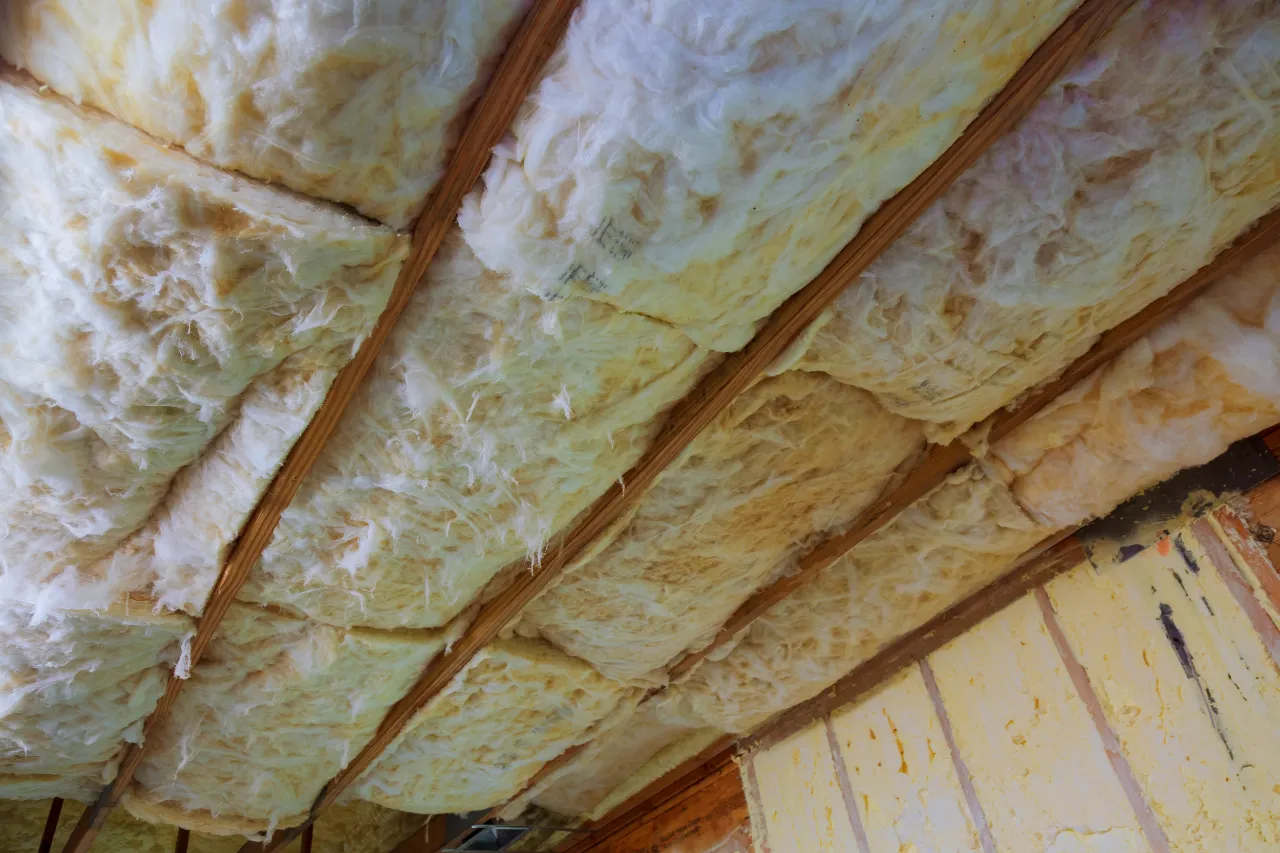
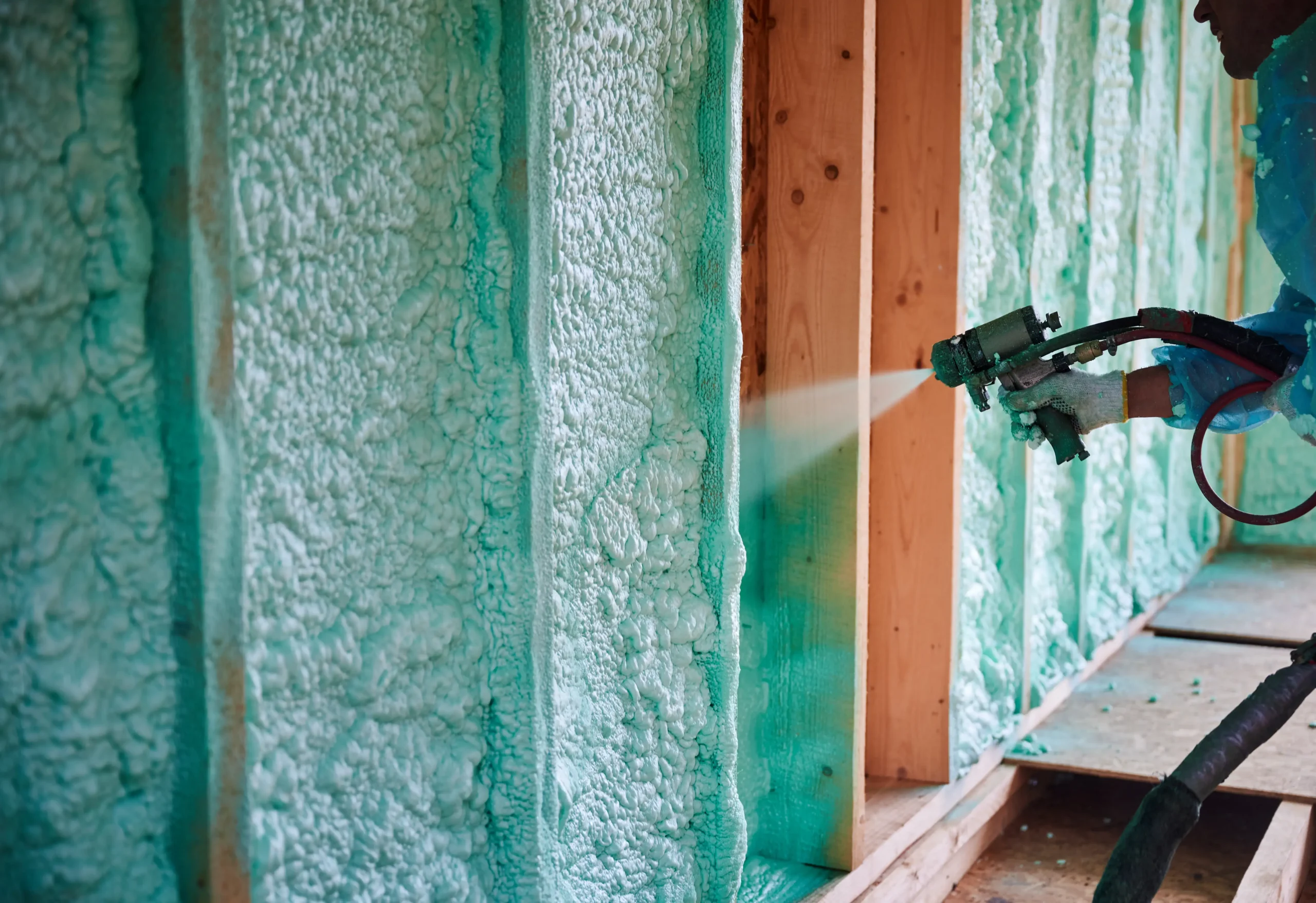
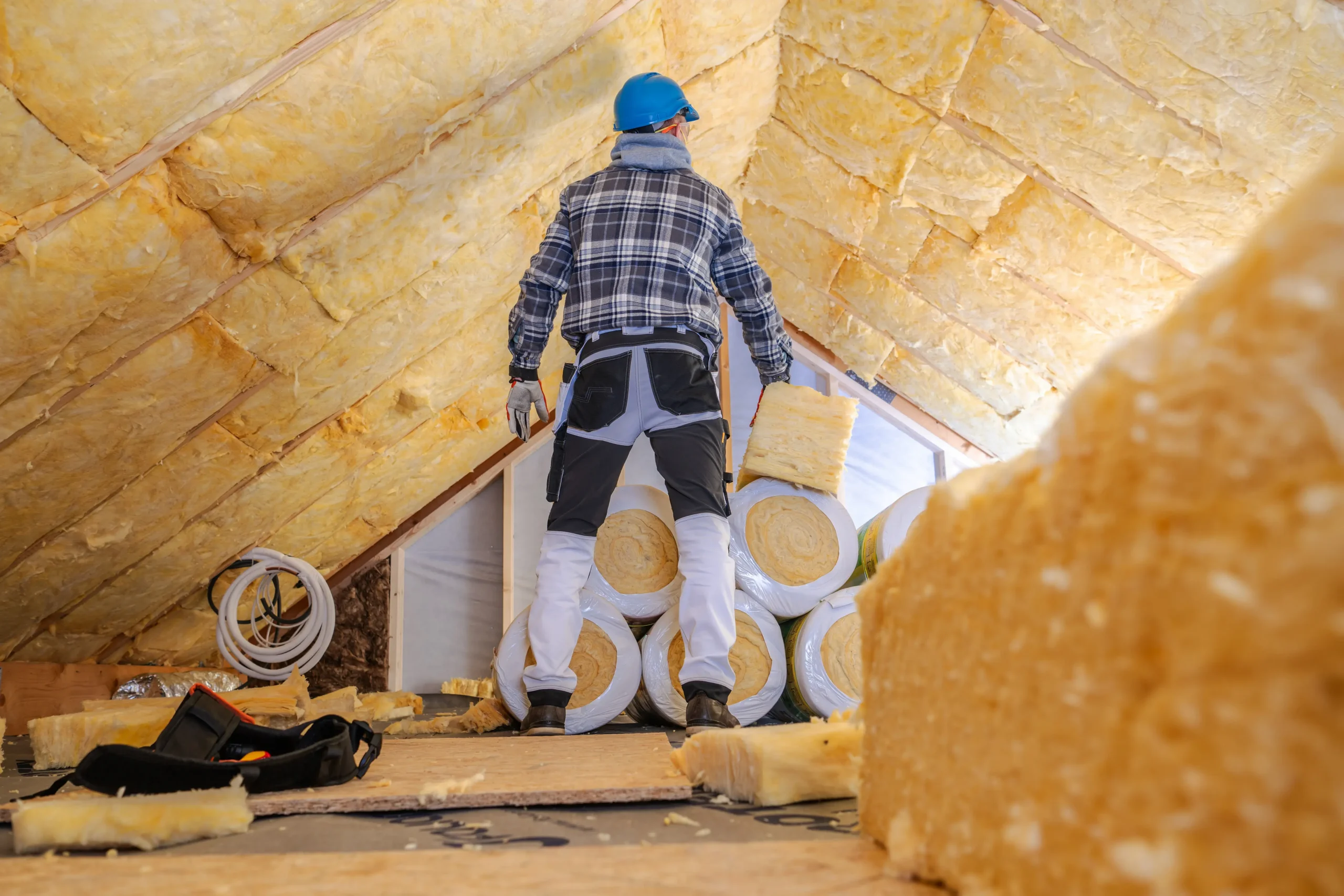
Stopping drafts takes two steps: air sealing and insulation. Air sealing comes first. We close the gaps at the attic top plates and the rim joist. We seal around penetrations with the right sealant or foam. This is the step most people skip, and it makes the biggest difference. Next comes insulation. Spray foam seals and insulates in one pass, which works well in attics, rim joists, and crawl spaces. Fiberglass and blown-in insulation build up the R-value in attics and walls. In an older New Jersey home, we often air seal the attic, then add blown-in on top. Down low, closed-cell spray foam in the rim joist and crawl space stops the cold that chills your floors. Together, these fixes turn a drafty house into a warm, steady one.
Why New Jersey Homes Get Extra Drafty
New Jersey winters swing cold, and that puts pressure on a leaky home. When it is 20 degrees outside and 68 inside, air wants to move. The bigger that gap, the harder the cold pushes in. Older housing stock adds to it. Many homes in the state went up before modern insulation and air-sealing standards. Their attics are thin, their rim joists are open, and their walls are often uninsulated. Wind off the shore and open areas makes coastal towns feel even draftier. None of this means you are stuck. It just means the fixes pay off more here than in a mild climate. Seal the leaks and add insulation, and your home holds heat through the coldest New Jersey nights. Your furnace runs less, and your bills drop.