Cold floors are one of those problems you feel every single day in winter. You step out of bed, and the floor bites. You wear socks indoors and still feel the chill. In most New Jersey homes, cold floors trace back to one place: the crawl space or basement under the floor. If that space is cold, vented, or damp, the cold rises straight into your rooms. It is a common issue here, and it is fixable.
The floor itself is not the problem. The problem is the uninsulated, leaky space below it. Cold air pools down there, moisture builds up, and both work their way up. Once you seal and insulate that space, the floors warm up and the whole house feels steadier. In this guide, we will explain why New Jersey floors get so cold. We will show what is going on under your feet and the fixes that help. It is what a local crew deals with all winter.
What Makes the Floors Cold in the First Place?
Cold floors almost always start below the floor, not in it. Many New Jersey homes sit over a crawl space or an unheated basement. A lot of those spaces are vented to the outside, which made sense years ago but not now. In winter, that vent pulls in cold, damp air. The air chills the underside of your floor, and you feel it up top. If the crawl space has no insulation, there is nothing to slow that cold down. Damp soil and humid air make it worse, since moisture pulls heat away fast. Add a few air leaks in the rim joist, and the space turns into a cold sink under your home. The floor above never stands a chance. That is why the fix has to happen down below, where the cold actually lives.
Why Cold Floors Are Worse in New Jersey
New Jersey gives crawl spaces a hard time. Winters get genuinely cold, so the temperature gap between your floor and the crawl space grows. The bigger that gap, the more cold rises. The state also has a lot of older homes with vented, uninsulated crawl spaces. Many went up when nobody sealed these areas at all. Damp adds another layer, especially near the shore and low-lying areas. Humid air and wet soil keep the space cold and raise the risk of mold and wood rot. So it is not just comfort on the line. A cold, damp crawl space can hurt the structure over time. The upside is that sealing and insulating a New Jersey crawl space pays off twice. You get warmer floors and a drier, healthier space under your home.
How We Warm Up Cold Floors
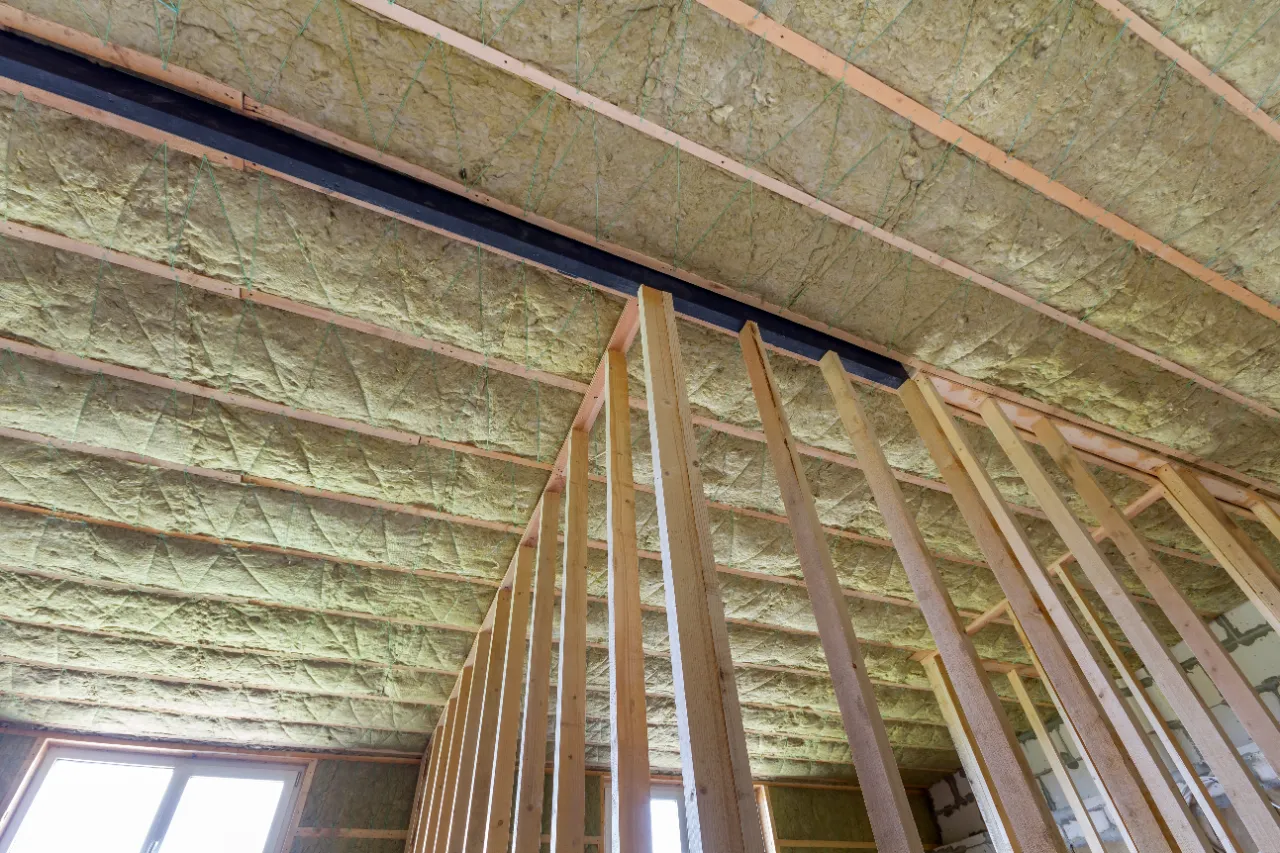
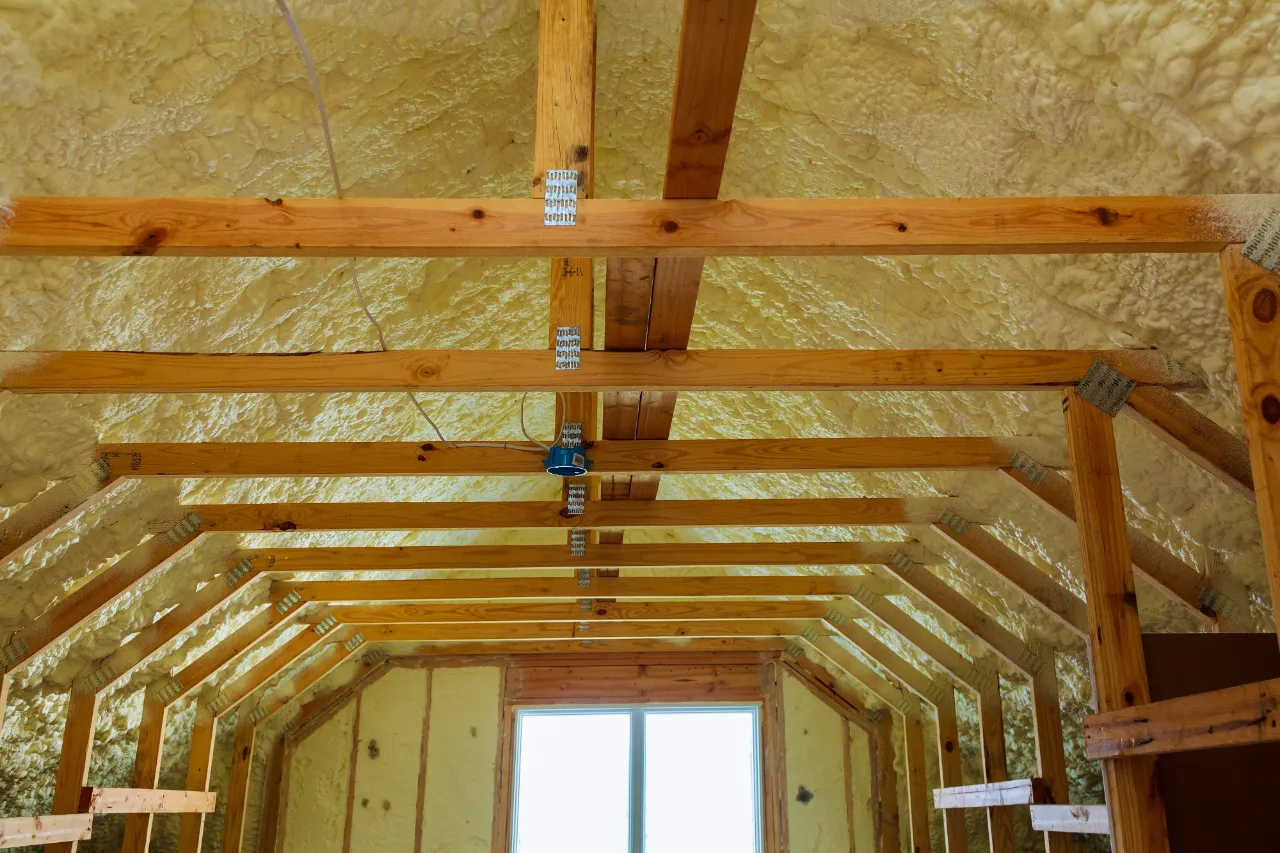
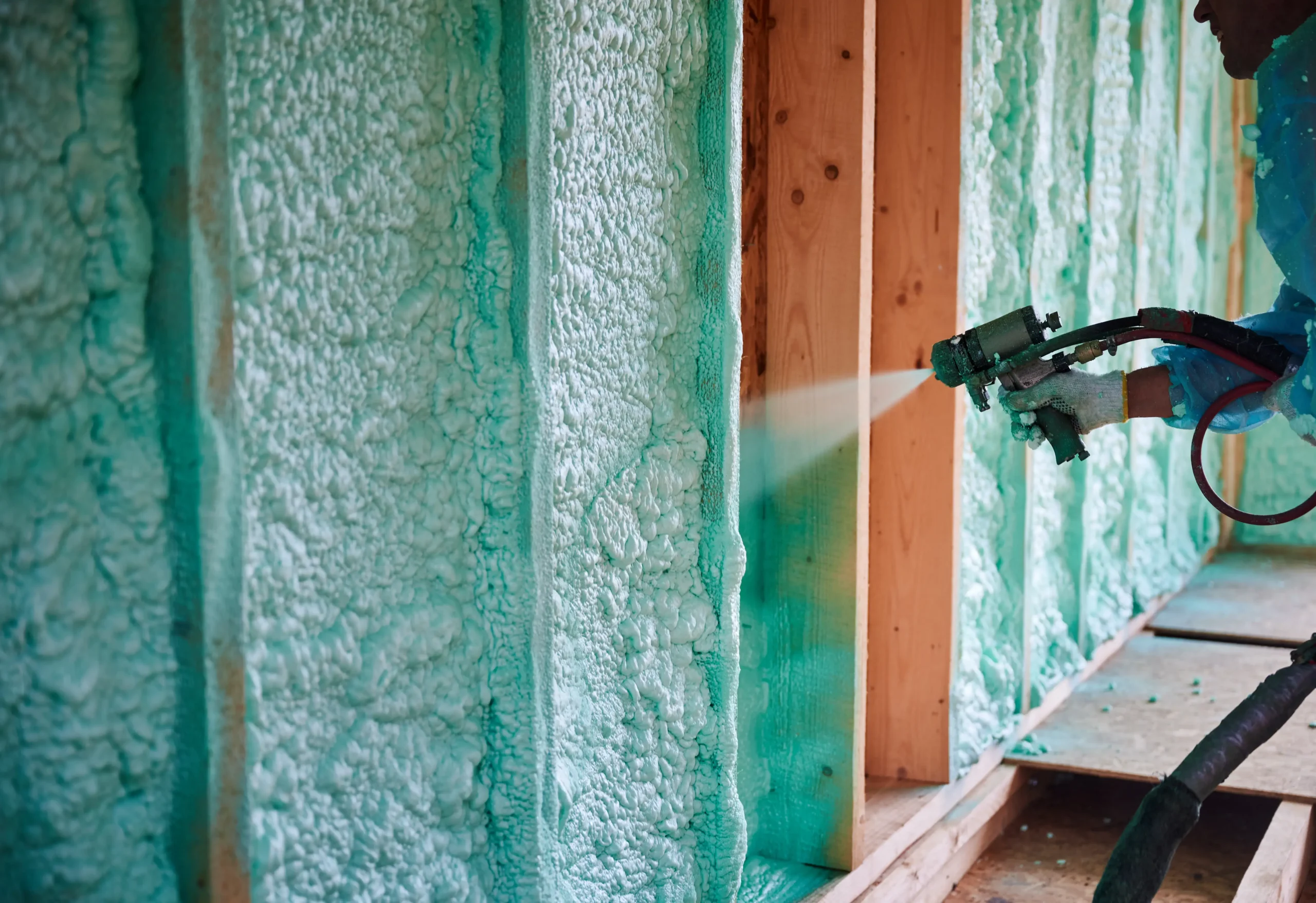
Warming cold floors means fixing the space underneath. First, we stop the moisture, since a wet space cannot stay warm or healthy. We seal the vents and any leaks, then lay a heavy vapor barrier over the dirt. Next comes insulation. Closed-cell spray foam on the crawl space walls and rim joist seals air and adds R-value in one pass. It also resists water, which matters in a damp space. In some homes, we insulate the floor above with batts between the joists instead. The right choice depends on how your crawl space is built. When the space is sealed, insulated, and dry, the cold stops rising. Your floors feel warmer within the first cold snap, and the rooms above hold heat better all winter.
Cold Floors, Warmer Home, Lower Bills
Fixing cold floors does more than warm your feet. When the crawl space stops leaking cold and damp, your whole home feels steadier. The rooms above hold their heat, so your furnace runs less. That shows up on your winter bills. A sealed crawl space also keeps out the musty, damp air that drifts up into the living space. Your indoor air feels fresher, and you cut the moisture that leads to mold and rot. Down the road, that protects the joists and subfloor too. Many New Jersey homeowners say crawl space work is the fix they wish they had done years ago. It is not the flashiest project, but it is one you feel every day. Warmer floors, a drier home, and lower bills add up fast.