If you are insulating a New Jersey home, you will run into the big question fast. Spray foam or fiberglass? Both are solid choices, and both show up in homes all over the state. They just work in different ways and shine in different spots. Pick the right one, and you get comfort and lower bills. Pick the wrong one, and you leave value on the table.
The good news is that this is not a trick question. Once you know how each one works, the choice usually gets clear. In this guide, we will break down spray foam and fiberglass in plain terms. We will cover how they perform, where each one fits best, and what they cost you in the long run. We will also point out where a New Jersey home tips the decision one way or the other. By the end, you will know which one makes sense in your space, or when to use both.
How Spray Foam and Fiberglass Work
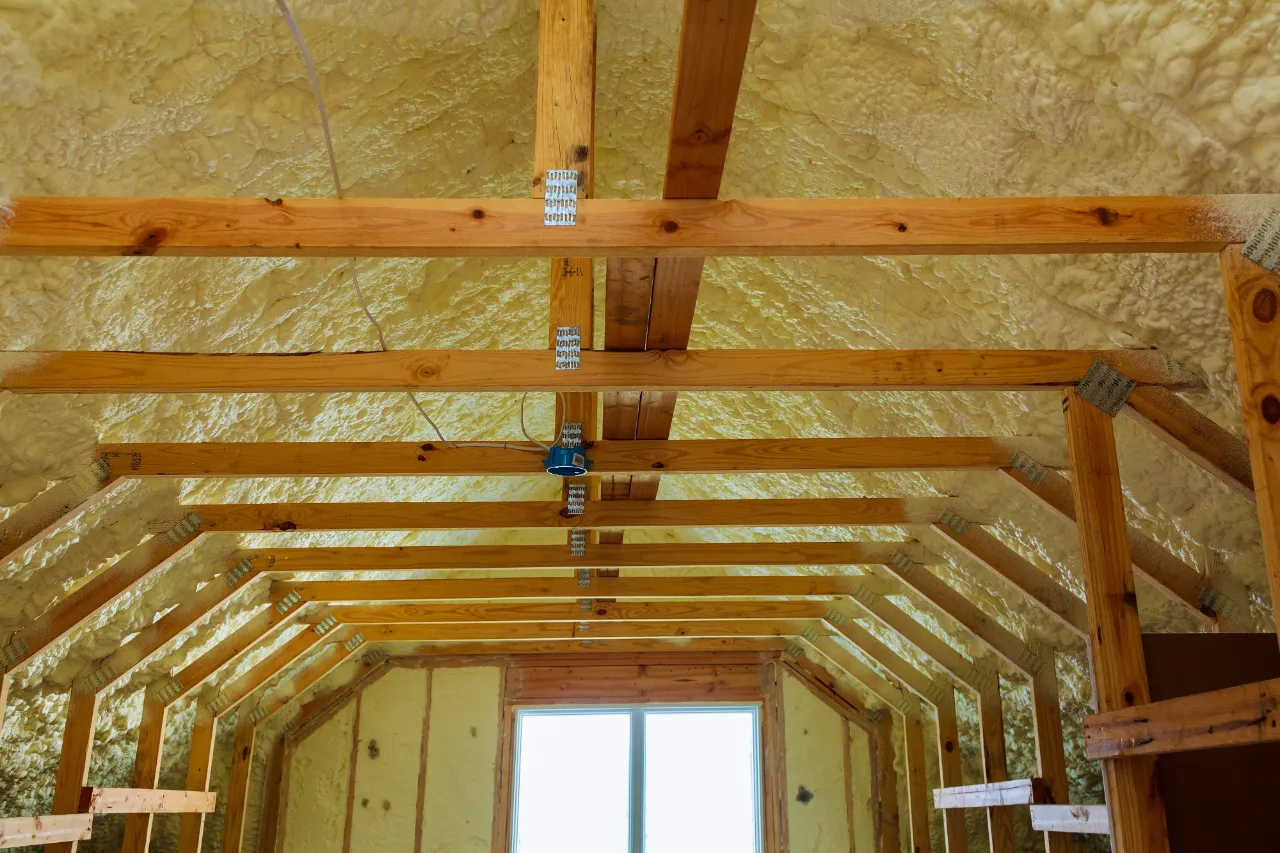
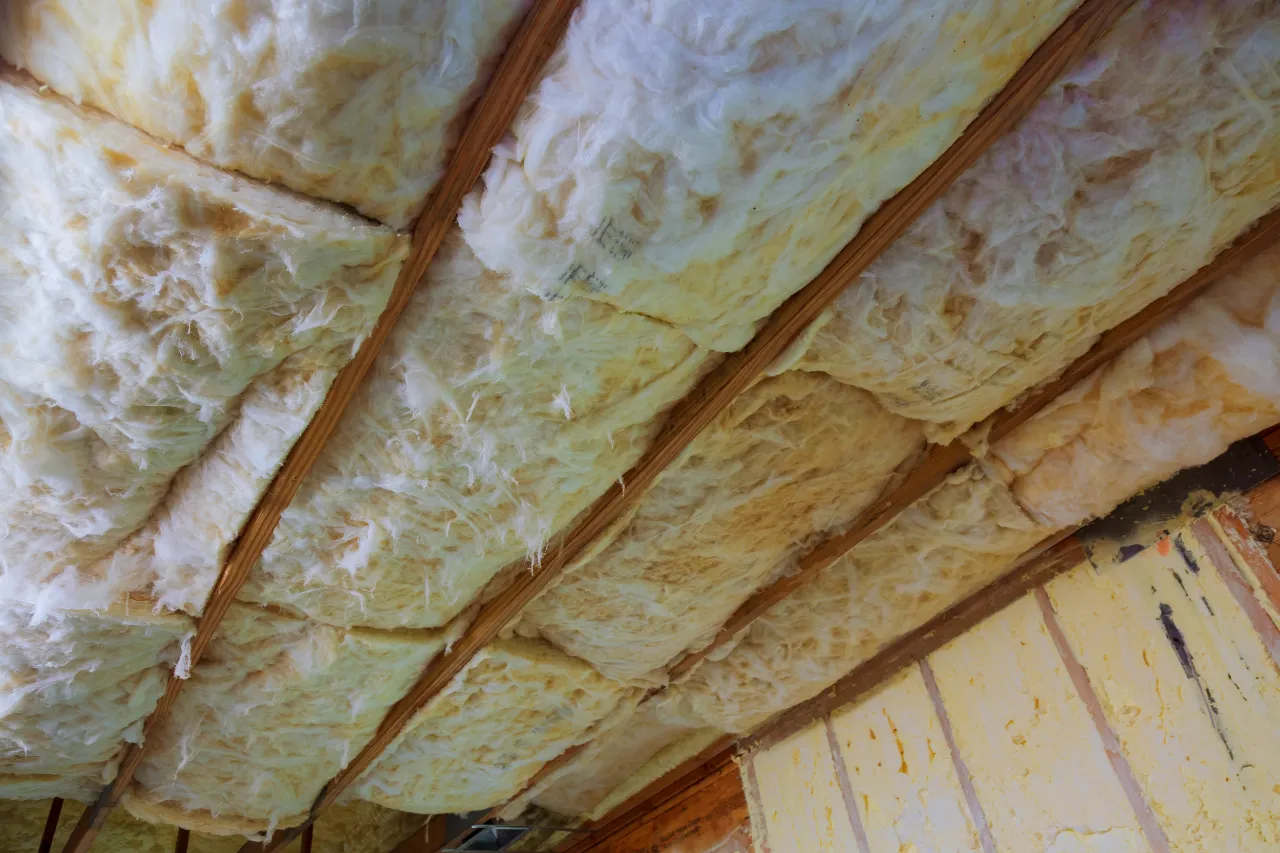
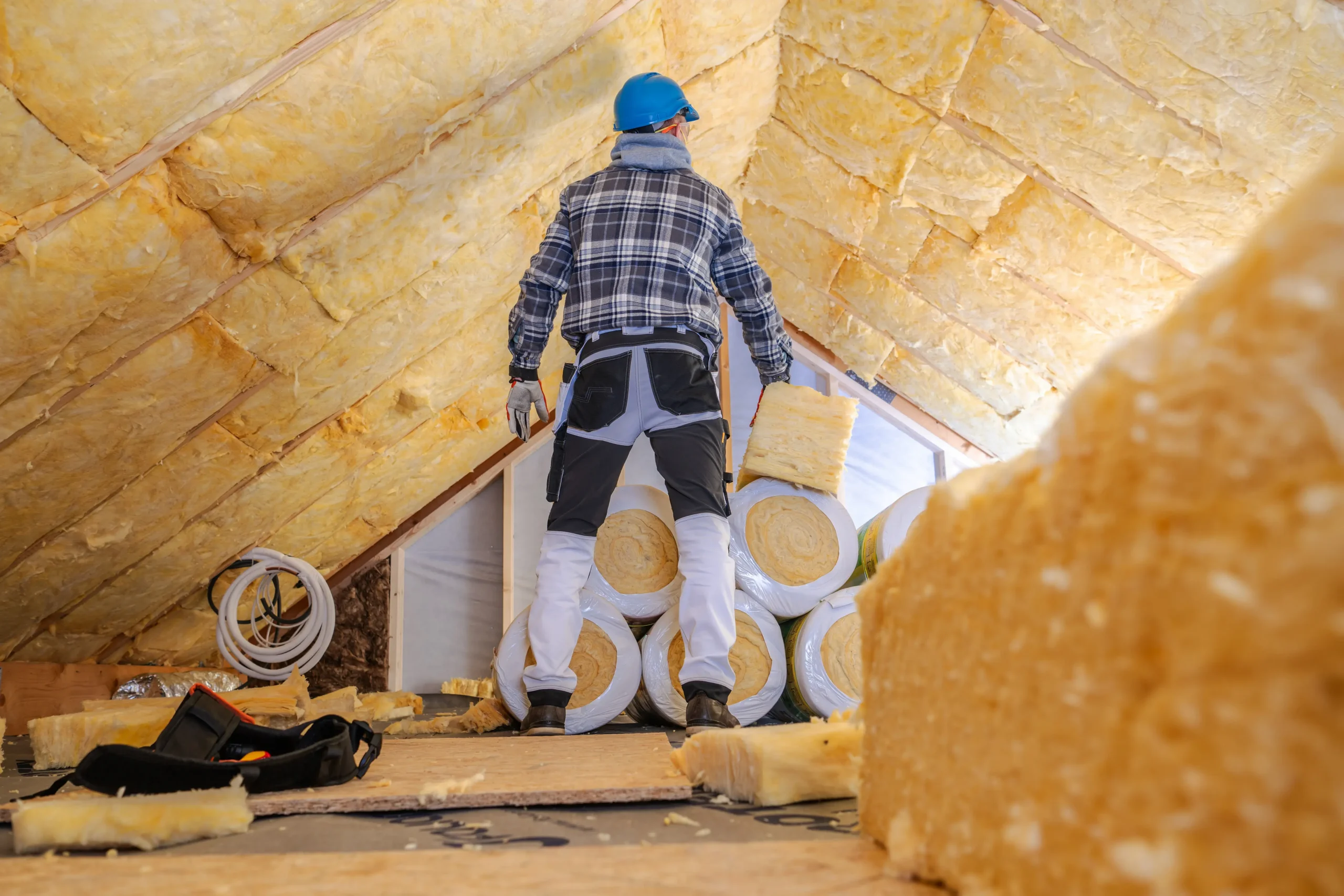
The two materials stop heat loss in different ways. Fiberglass traps tiny pockets of air in a fluffy blanket of glass fibers. That trapped air slows heat moving through it. It comes as batts you fit between framing or as loose fill blown into place. Spray foam is a liquid that expands and hardens into a solid layer. It seals gaps as it cures, so it stops air leaks and adds R-value at once. There are two types. Open-cell foam is lighter and softer, good in interior walls. Closed-cell foam is dense, adds more R-value per inch, and resists water. Fiberglass is the budget-friendly classic. Spray foam costs more up front but seals air that fiberglass cannot. Knowing that difference is the key to picking the right one.
Where Each One Fits Best
Each material has spots where it clearly wins. Fiberglass is great in open, dry, easy-to-reach framing. Think attic floors, interior walls, and standard framed spaces. It builds up R-value at a lower cost, so it is a smart pick in a lot of the home. Spray foam earns its price in the tough spots. Use it in the rim joist, the crawl space, and anywhere air leaks or moisture are a problem. Closed-cell foam is the go-to in damp areas, since it resists water. Spray foam also shines when you want to seal an attic at the roofline. In a lot of New Jersey homes, the best answer is both. Fiberglass in the open, easy areas and spray foam in the leaky, damp ones. That mix gives you strong performance without overspending.
What They Cost in the Long Run
Cost is where a lot of homeowners get stuck, so let us be real about it. Fiberglass costs less to buy and install. If your budget is tight and the space is dry and open, fiberglass gives you solid value. Spray foam costs more up front, sometimes a good bit more. You are paying to get the air seal and the higher R-value per inch. In the right spot, that extra cost pays you back. Seal a leaky rim joist or a damp crawl space with closed-cell foam. That can save more than cheaper insulation ever would. The trick is matching the material to the job. Overspending on foam where fiberglass would do is a waste. So is using fiberglass in a damp, leaky space that really needs foam. Spend where it counts, and both pay off.
Which One Wins in a New Jersey Home?
New Jersey conditions often tip the choice. The winters are cold, the summers are humid, and a lot of homes are older and leaky. That combination rewards air sealing, which is spray foam strong suit. In an older home with a drafty attic or damp crawl space, spray foam earns its keep. In newer or dry, open framing, fiberglass does the job at a better price. Near the shore, where damp is a constant, closed-cell foam has a real edge in crawl spaces and rim joists. Most homeowners in the state do best with a mix matched to each space. A good local contractor will look at your home and tell you where each one belongs. That is how you get comfort and value without guessing.